
What is PU synthetic leather?
PU synthetic leather, also known as polyurethane synthetic leather, is the most widely used synthetic leather material worldwide. It uses woven textile fabric as the base, coated with polyurethane resin on the surface. Through embossing and surface finishing, it mimics the look and handfeel of genuine leather. Balancing aesthetics, cost‑effectiveness and mass‑production capability, it is widely applied in apparel, bags, footwear, protective braces, automotive interiors and many other fields.
Many people confuse PU synthetic leather with microfiber leather, microfiber leather is a high-end variant within the PU family, whereas standard PU uses ordinary fabric as its base, offers moderate costs, and represents the highest volume category in the market.
Click to Waltery microfiber products page.
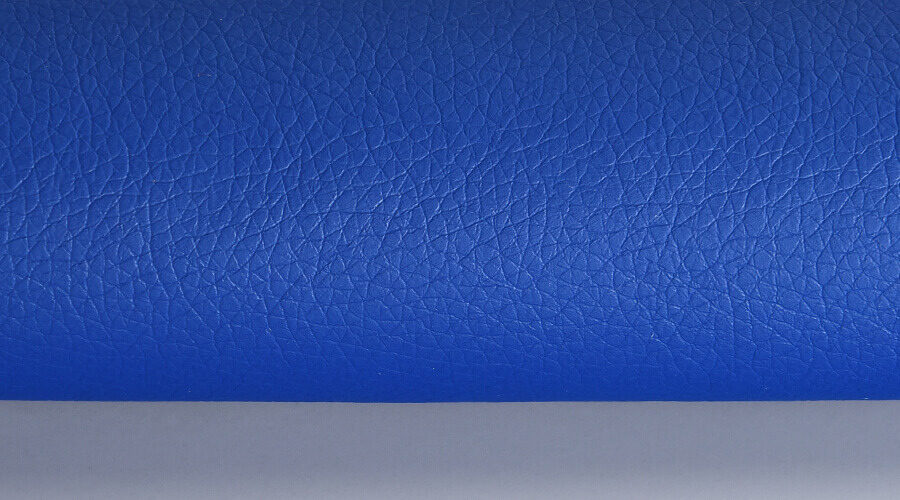
Core Advantages of PU Synthetic Leather
1. Rich surface textures & stable bulk production consistency
PU synthetic leather can reproduce diverse grain patterns including litchi grain, smooth grain, tumbled grain, matte and glossy finishes, with extensive color options.
Unlike genuine leather, it is free of scars, bug bites and uneven thickness. Color consistency across whole rolls is well‑controlled, delivering high yield for large‑batch orders. It supports standardized brand manufacturing and is unaffected by livestock‑supply fluctuations.
2. Cost-effective for diverse budget requirements
Compared with genuine leather and microfiber leather, regular PU covers a broad price range from budget‑friendly to mid‑high‑end versions. It fits various product positioning, striking a good balance between quality and cost control. It is a highly popular option for OEM export orders.
3. Water resistant & stain resistant, easy maintenance
The polyurethane surface coating offers water and stain resistance. Stains and water marks can be wiped off with a damp cloth. No special leather‑care oil is required, lowering after‑sales maintenance costs. This benefit is highly valued for bags, furniture and automotive upholstery.
4. Excellent processability with customizable functions
It is compatible with sewing, hot‑pressing, cutting and laser processing. Thickness, grain pattern and handfeel are fully customizable.
Additional functional finishes are available: water‑repellent, antibacterial, UV‑resistant and PFAS‑free treatment. These help meet overseas compliance requirements such as REACH and OEKO‑TEX for export markets.
5. Vegan‑friendly with stable supply chain
As animal‑free material, PU synthetic leather fits vegan‑leather positioning for global brands. Large‑scale industrial manufacturing ensures predictable lead‑times for repeated bulk orders.
Click to Waltery traditional PU products page.
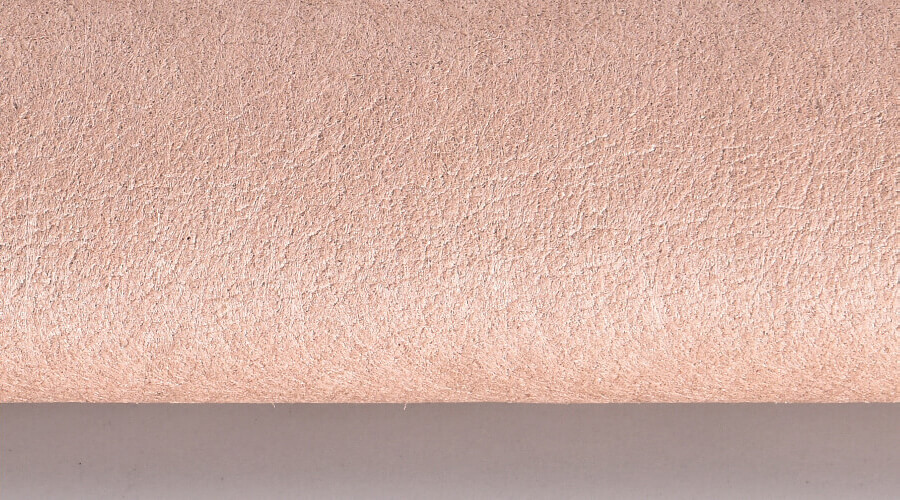
Key Limitations for Purchasers
Wide performance gap across grades: Low-grade PU may suffer peeling, cracking and film delamination after repeated bending or under high-temperature conditions. High-quality PU formulas greatly improve this issue. Buyers should never only focus on price. Lower breathability vs genuine leather and microfiber: Standard PU has a dense coating, which may feel stuffy for long-time skin-contact use. For protective braces and close-contact products, choose breathable-modified PU formulations. Hydrolysis resistance depends on resin formula: For humid-environment applications, specify hydrolysis-resistant PU.
Main Application Scenarios
✅ Apparel: jackets, workwear, biker garments, decorative fabrics
✅ Bags & accessories: backpacks, handbags, storage pouches
✅ Footwear: shoe uppers and shoe linings
✅ Protective gear: outer shell material for orthotic braces and sports protective equipment
✅ Home & automotive: sofas, seat upholstery and decorative wrapping
This article is written by The Waltery China.
Walter, as a top Chinese faux suede, faux leather supplier, is specialized in DMF FREE water-based PU, SOLVENT FREE PU, TRADITIONAL PU, microfiber leather, faux suede development, production, and exporting.